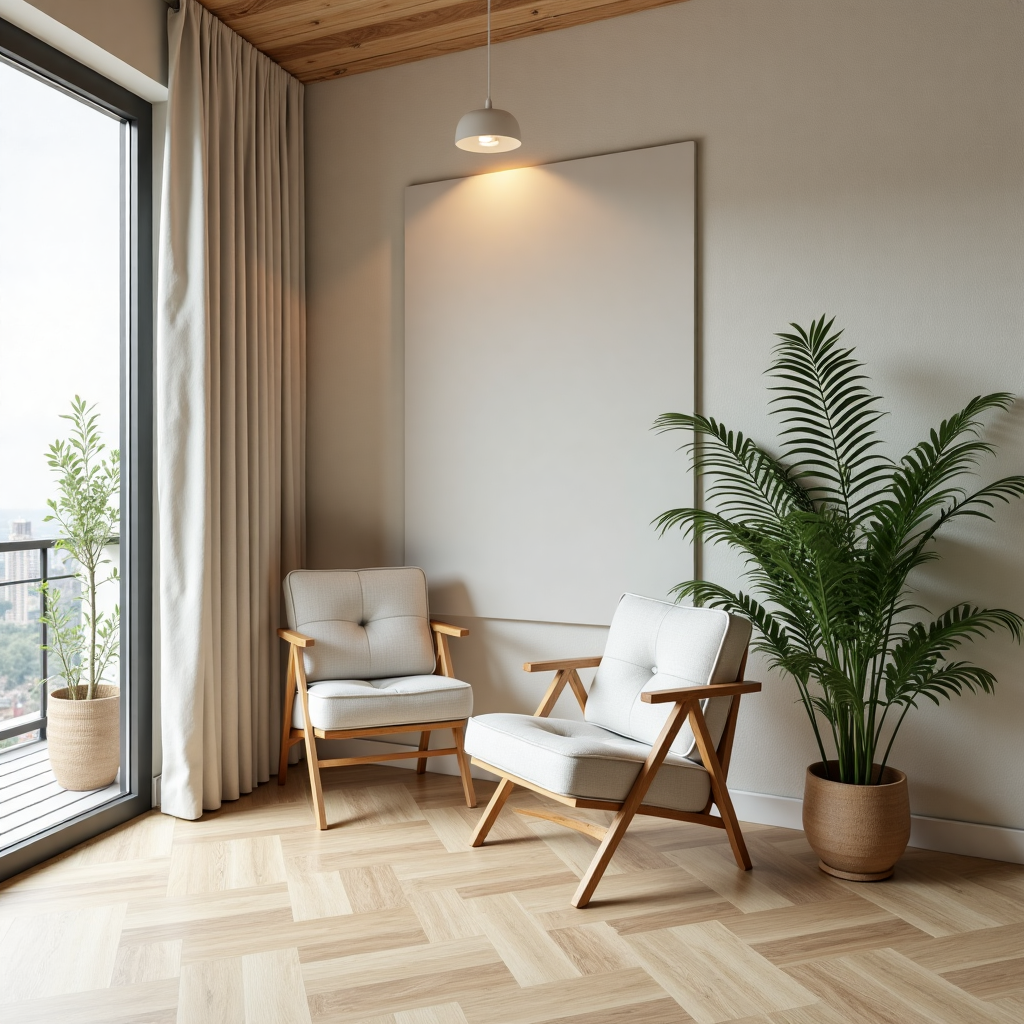
Eco Home Renovation: How Non-Toxic Paint, Reclaimed Wood, and Sustainable Building Materials Transform Your Indoor Air Quality
If you are planning a home renovation, you are likely thinking about layout, lighting, color palettes, and budget. But there is one factor that often gets overlooked until it is too late: indoor air quality. The materials you choose during an eco home renovation do more than determine how your space looks. They directly affect the air you breathe every single day for years after the project is complete. Conventional paints, synthetic carpets, engineered wood products, and chemical-laden adhesives can release harmful compounds into your home long after the contractor has packed up and left. Fortunately, a growing number of homeowners are discovering that sustainable choices such as non-toxic paint and reclaimed wood offer a beautiful, responsible, and healthier alternative.
In this guide, we will walk through the essential elements of an eco-conscious renovation. You will learn why sustainable materials matter, how to choose products that protect your health, and where to use reclaimed wood and other green building supplies to create a home that feels as good as it looks. Whether you are renovating a single room or overhauling an entire house, these principles will help you make informed decisions that benefit your family, your home’s value, and the environment.
Why Eco Home Renovation Matters for Your Health and the Planet
An eco home renovation is not just a design trend. It is a fundamental shift in how we think about the spaces we inhabit. Traditional renovation practices have long prioritized speed, cost, and convenience, often at the expense of long-term health and environmental impact. Many conventional building products contain volatile organic compounds, formaldehyde, phthalates, and other chemicals that off-gas into indoor air. Since most people spend about 90 percent of their time indoors, the air inside a newly renovated home can be two to five times more polluted than outdoor air, according to the U.S. Environmental Protection Agency.
Choosing sustainable building material options reduces the toxic load in your home while also conserving natural resources. Manufacturing new drywall, vinyl flooring, and synthetic insulation consumes enormous amounts of energy and water. By contrast, materials like reclaimed wood, recycled metal, natural stone, and low-emission insulation have a much smaller carbon footprint. When you choose these alternatives, you are not only protecting your own health but also reducing demand for resource-intensive production methods. This is the heart of an eco home renovation: creating a home that supports both human wellness and planetary health.
The Hidden Problem with Conventional Renovation Materials
Many homeowners are surprised to learn that the fresh “new home smell” they associate with a renovation is actually a warning sign. That scent often comes from volatile organic compounds, or VOCs, which are emitted as gases from paints, varnishes, caulks, composite wood products, and even some types of insulation. Short-term exposure to high levels of VOCs can cause headaches, dizziness, respiratory irritation, and fatigue. Over the long term, some of these chemicals have been linked to more serious health issues, including damage to the liver, kidneys, and central nervous system. Certain VOCs such as formaldehyde are classified as known human carcinogens.
The problem is especially acute in modern, energy-efficient homes. Because these homes are tightly sealed to prevent conditioned air from escaping, they also trap pollutants inside. Without proper ventilation and low-emission materials, indoor air quality can deteriorate quickly. This is why an eco home renovation should focus on eliminating pollution at the source rather than simply trying to ventilate it away after the fact.
How Indoor Air Quality Affects Your Everyday Life
Good indoor air quality influences everything from sleep quality to cognitive function. Studies have shown that people who work and live in spaces with lower levels of indoor pollutants report better concentration, fewer allergy symptoms, and improved overall wellbeing. Children, elderly adults, and individuals with asthma or chemical sensitivities are particularly vulnerable to poor air quality. If your renovation uses conventional materials, these effects can linger for months or even years. Paints can off-gas for weeks, while some pressed-wood products release formaldehyde for years. By choosing non-toxic and natural materials from the start, you create a healthier baseline for everyone who enters your home.
Non-Toxic Paint: A Breath of Fresh Air for Your Walls
Paint is one of the most visible and transformative elements of any renovation. It is also one of the biggest contributors to poor indoor air quality when conventional products are used. Standard latex and oil-based paints often contain high levels of VOCs, chemical solvents, and synthetic pigments that continue to release fumes long after the paint has dried. Choosing non-toxic paint is one of the simplest and most effective steps you can take to improve your home’s air quality without sacrificing color or durability.
What Makes Paint Toxic?
The primary culprits in conventional paint are VOCs, which keep the paint in liquid form and evaporate as the paint cures. Additional concerns include formaldehyde, ammonia, acetone, and heavy metals used in some pigments and drying agents. While the strongest off-gassing occurs during application and the first few days of drying, low-level emissions can continue for months. This is especially problematic in bedrooms, nurseries, and living areas where people spend long hours. Even paints labeled “low-VOC” can still contain a cocktail of other additives, so it is important to look beyond the marketing language and examine the full product specifications.
Choosing Truly Non-Toxic Paint
When selecting a non-toxic paint, look for products that are zero-VOC or ultra-low-VOC and free from formaldehyde, heavy metals, and alkylphenol ethoxylates. Third-party certifications such as GREENGUARD Gold, Green Seal, and the Master Painters Institute’s MPI Extreme Green standard are excellent indicators of strict indoor air quality performance. Natural paints made from ingredients like clay, lime, milk protein, and plant-based pigments are also growing in popularity. These products often have a beautiful matte finish and allow walls to breathe, which helps regulate indoor humidity naturally.
It is also important to consider the entire painting system, not just the topcoat. Primers, sealers, and colorants can contain their own VOCs. Choose a complete system of compatible low-toxicity products to achieve the best results. Many eco-conscious brands now offer zero-VOC primers, caulks, and wood finishes that work together seamlessly.
Application Tips for Healthier Results
Even the safest paint should be applied with care. Work in a well-ventilated space, use exhaust fans when possible, and allow extra drying time between coats. If you are sensitive to fumes, consider using a respirator mask during application, especially when sanding or priming. Keep windows open for at least 48 to 72 hours after painting, and avoid moving furniture back into the room until the paint is fully cured. These simple practices help ensure that any minimal residual emissions dissipate quickly and do not become trapped in your home.
Reclaimed Wood: Character and Sustainability in Every Board
Reclaimed wood has become one of the most beloved materials in eco-friendly design, and for good reason. Salvaged from old barns, factories, warehouses, wine barrels, and even decommissioned ships, reclaimed wood brings a warmth, history, and uniqueness that newly milled lumber simply cannot match. More importantly, using reclaimed wood in your renovation reduces the demand for new timber, prevents usable material from ending up in landfills, and often avoids the chemical treatments found in modern pressure-treated lumber.
The Environmental and Health Benefits of Reclaimed Wood
New wood products are often treated with chemical preservatives, kiln-dried using fossil fuels, and transported long distances from industrial timber operations. In contrast, reclaimed wood has already served a purpose for decades or even centuries. By giving it a second life, you save trees, reduce carbon emissions, and support a circular economy. From a health perspective, reclaimed wood is often naturally aged and thoroughly dried, which means it is less likely to off-gas. However, it is essential to source reclaimed wood from reputable suppliers who test for contaminants such as lead paint, asbestos, and chemical residues from its previous life.
Where to Use Reclaimed Wood in Your Renovation
Reclaimed wood is incredibly versatile. It can be used for flooring, accent walls, ceiling beams, custom furniture, shelving, countertops, and even exterior cladding. Each piece carries distinct grain patterns, nail holes, saw marks, and patina that tell a story. In kitchens and living rooms, a reclaimed wood feature wall can serve as a dramatic focal point. In bedrooms, reclaimed wood flooring adds warmth and texture underfoot. For a smaller project, consider using reclaimed boards to build a rustic dining table, floating shelves, or a statement headboard.
What to Look for When Buying Reclaimed Wood
Not all reclaimed wood is created equal. Look for suppliers who can provide documentation of the wood’s origin and treatment history. Wood salvaged from old buildings may contain hidden nails or fasteners, so professional milling and metal detection are important. Some reclaimed wood is sold as “barn wood” but may have been artificially distressed to mimic the look. Genuine reclaimed wood will have irregular saw patterns, natural weathering, and signs of age that cannot be easily replicated. If possible, choose wood that has been kiln-dried after salvage to eliminate pests and stabilize moisture content.
When finishing reclaimed wood, avoid conventional polyurethane sealers that can release VOCs. Instead, opt for natural oils, waxes, or water-based low-VOC finishes. These products protect the wood while allowing its natural beauty to shine through without compromising indoor air quality.
Sustainable Building Materials That Go Beyond Paint and Wood
An eco home renovation involves more than choosing the right paint and wood. The structural and functional materials you select play an equally important role in your home’s overall environmental footprint and air quality. From insulation to flooring to countertops, there are now sustainable alternatives for virtually every component of a renovation.
Natural and Recycled Insulation
Conventional fiberglass insulation can irritate the skin and respiratory system during installation, and some foam insulation products are made with chemical flame retardants. Sustainable options include sheep’s wool, cotton denim, cellulose made from recycled newspapers, and cork. These materials are not only effective at regulating temperature but are also safer to handle and less likely to off-gas. Wool and cotton insulation naturally manage moisture, which helps prevent mold growth and improves long-term indoor air quality.
Flooring Options That Support Healthy Air
Vinyl and laminate flooring are often made with PVC and adhesives that can release phthalates and formaldehyde. Healthier alternatives include solid hardwood from sustainably managed forests, bamboo, cork, natural linoleum, and tile. If you prefer the look of wood, choose prefinished solid wood flooring with low-VOC finishes or install unfinished wood and seal it with a natural oil. Cork and linoleum are naturally antimicrobial and resistant to mold, making them excellent choices for kitchens and bathrooms.
Countertops, Tiles, and Finishes
For countertops, consider recycled glass, paper composite, reclaimed stone, or sustainably harvested butcher block. These materials avoid the high embodied energy of quarried granite or the resin-heavy production of many engineered stones. Look for tiles made from recycled content and grouts and adhesives that are labeled low-VOC or zero-VOC. Even small choices such as using natural clay plaster instead of synthetic drywall compound can make a measurable difference in your home’s air quality.
- Sheep’s wool insulation: Naturally regulates moisture and filters indoor air.
- Cork flooring: Renewable, comfortable underfoot, and resistant to mold.
- Recycled glass countertops: Durable, beautiful, and made from post-consumer waste.
- Natural linoleum: Made from linseed oil, cork dust, and wood flour; fully biodegradable.
- Clay plaster: Breathable, non-toxic, and naturally mold resistant.
How to Improve Indoor Air Quality Through Renovation Choices
Improving indoor air quality during a renovation is not a single action but a series of intentional decisions. It begins with selecting low-emission materials and extends to how you manage moisture, ventilation, and dust throughout the project. A truly eco home renovation considers the house as a system in which all parts interact.
Ventilation and Air Exchange
Even with the best materials, your home needs fresh air. During and after renovation, open windows and use exhaust fans to remove dust, fumes, and excess moisture. Consider upgrading your HVAC system with high-efficiency filters, or install a heat recovery ventilator that brings in fresh outdoor air while retaining energy. Good ventilation dilutes any residual pollutants and prevents humidity from reaching levels that encourage mold growth.
Moisture Control and Mold Prevention
Mold is one of the most significant threats to indoor air quality. It thrives in damp, poorly ventilated spaces and can trigger allergies, asthma, and other respiratory problems. When renovating, address any water leaks, condensation issues, or drainage problems before sealing up walls and floors. Use moisture-resistant materials in bathrooms and basements, and choose breathable building systems that allow water vapor to escape. A well-executed eco renovation keeps the building envelope dry and healthy from the inside out.
Furnishings and Finishing Touches
The materials you bring into a renovated space matter just as much as the building products. Furniture, rugs, curtains, and mattresses can all release VOCs. Look for items made from natural fibers, solid wood, and certified low-emission materials. Wash new fabrics before use, and allow new furniture to off-gas in a well-ventilated area before moving it into your home. By extending your commitment to non-toxic choices beyond the construction phase, you protect the investment you have made in your indoor air quality.
Planning Your Eco Home Renovation: A Practical Checklist
An eco home renovation requires careful planning, but the process does not have to be overwhelming. Start by setting clear priorities based on your budget, timeline, and the rooms that matter most. Here is a practical checklist to guide your decisions.
- Set health and sustainability goals: Decide early that you will prioritize low-VOC, non-toxic, and reclaimed materials.
- Test your existing home: Check for lead paint, asbestos, and moisture issues before demolition begins.
- Choose non-toxic paint: Select zero-VOC paints, primers, and finishes with third-party certifications.
- Source reclaimed wood: Work with reputable suppliers and ask about the wood’s history and treatment.
- Select sustainable building materials: Use natural insulation, low-emission flooring, and recycled-content products wherever possible.
- Plan for ventilation: Install exhaust fans, upgrade filters, and create a strategy for fresh air exchange.
- Manage dust and debris: Seal off work areas and clean thoroughly before reoccupying the space.
- Document your choices: Keep records of product certifications and material origins for future reference or resale.
Common Mistakes to Avoid in an Eco Home Renovation
Even well-intentioned renovators can make mistakes that undermine their goals. One common error is assuming that all “green” labels are equally trustworthy. The marketplace is full of vague marketing claims that sound good but lack independent verification. Always look for specific certifications, material safety data sheets, and transparent ingredient lists. Another mistake is focusing only on the big-ticket items while ignoring adhesives, caulks, grouts, and sealants. These products are used throughout a renovation and can be significant sources of VOCs if not chosen carefully.
Some homeowners also overlook the importance of proper installation. A sustainable material is only as good as the system in which it is used. For example, reclaimed wood that is not properly dried or sealed can warp or attract pests. Natural insulation that is installed with gaps loses its effectiveness. Work with contractors who have experience with green building practices and understand how to handle these materials correctly. Finally, do not rush the process. Allowing paints, finishes, and adhesives adequate time to cure before moving furniture back in can make a substantial difference in long-term indoor air quality.
Conclusion
An eco home renovation is an investment in more than just your property. It is an investment in your health, your comfort, and the future of the planet. By choosing non-toxic paint, reclaimed wood, and other sustainable building materials, you create a home that supports clean indoor air quality and reflects a deep respect for natural resources. These choices do not require sacrificing style or performance. In fact, many sustainable materials outperform their conventional counterparts in durability, beauty, and long-term value.
As you plan your next renovation, remember that every product you select sends a message about the kind of home you want to live in. A home filled with natural, low-emission materials is quieter, healthier, and more connected to the environment. It is a place where your family can breathe easily, sleep deeply, and live fully. The decision to renovate sustainably is one you will appreciate every day for years to come.